










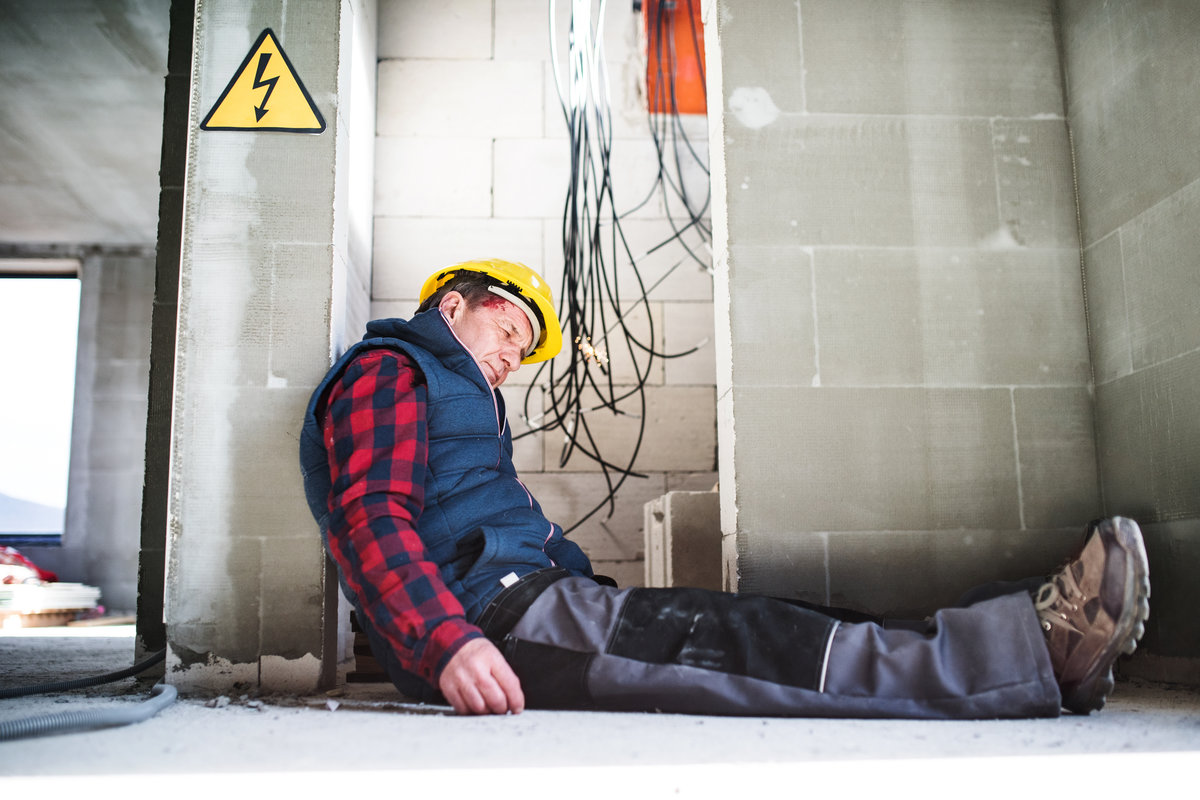
An electrocution or electrical injury on the job can cause devastating damage that is not always visible on the surface. When electrical current passes through the body, it can burn skin and tissue, disrupt cardiac rhythm, destroy nerve pathways, cause traumatic falls from elevated work areas and even death. Many workers who survive a serious electrical injury face chronic pain, neurological complications, and permanent disability. Under Georgia workers’ compensation law, electrocution injuries that result in severe burns, brain damage, or other catastrophic outcomes may qualify for a catastrophic injury designation, which can entitle you to lifetime income and medical benefits rather than the standard 400-week cap.
Hansford McDaniel, Workers’ Compensation Attorneys has recovered over $2.2 million for a worker who suffered catastrophic burns over 70% of his body and bilateral leg amputation following a workplace explosion, and has secured multiple seven-figure results for workers’ compensation claims involving catastrophic injuries. With over 100 years of collective legal experience handling workers’ compensation claims exclusively, our Atlanta electrocution injury lawyers understand the complex medical and legal challenges these claims present. Both Attorney Hansford and Attorney McDaniel previously defended insurance companies in workers’ compensation matters, which gives our firm a direct understanding of how carriers evaluate and challenge electrical injury claims. We serve clients in English and Spanish.
⚠ TIME-SENSITIVE — GEORGIA LAW LIMITS YOUR WINDOW TO FILE
You must report your workplace injury within 30 days and file your claim within one year under O.C.G.A. § 34-9-82.
Electrocution injuries can cause internal damage that worsens over time. Do not wait to protect your right to benefits.
How Electrocution Injuries Happen in Georgia Workplaces
Electrocution is one of OSHA’s “Fatal Four” hazards in the construction industry, consistently ranking among the leading causes of workplace death in the United States. According to the Occupational Safety and Health Administration (OSHA), the most frequent causes of electrical injuries in the workplace include contact with overhead power lines, lack of ground-fault protection, missing or broken grounding paths, equipment used in ways not prescribed by the manufacturer, and improper use of extension cords.
Georgia workers in the following industries face elevated electrocution risk:
- Construction — contact with overhead power lines, exposed wiring in unfinished structures, and unguarded electrical panels account for a significant share of fatal and catastrophic electrical injuries across the Atlanta metro area
- Utility and power line work — linemen and utility workers face extreme high-voltage exposure during installation, maintenance, and storm restoration
- HVAC installation and repair — workers installing metal ductwork and handling wiring in confined spaces face electrocution risk from faulty circuits, lack of ground-fault circuit interrupters, and contact with live conductors
- Manufacturing — industrial equipment malfunctions, damaged power cords, and inadequate lockout/tagout procedures expose factory workers to serious electrical hazards
- Warehouse and distribution — charging stations for forklifts and automated equipment, damaged extension cords, and improperly maintained electrical systems create ongoing risk
Why Electrocution Injuries Often Lead to Catastrophic Designations
Electrical injuries are uniquely dangerous because the current travels through the body along the path of least resistance, damaging tissue, organs, and nerve pathways that may not show immediate external signs of injury. Workers who survive a serious electrocution may face any combination of the following conditions, many of which can qualify as catastrophic under O.C.G.A. § 34-9-200.1:
- Severe burns — electrical burns can penetrate far deeper than thermal burns, destroying muscle, nerve tissue, and bone beneath the skin surface. Second- or third-degree burns covering 25% or more of the body, or third-degree burns to 5% or more of the face or hands, automatically qualify as catastrophic under Georgia law
- Cardiac damage — electrical current passing through the chest can cause arrhythmia, cardiac arrest, and long-term heart complications that may require permanent monitoring or medication
- Neurological damage — damage to the central and peripheral nervous systems can cause chronic pain, memory loss, difficulty concentrating, seizures, and loss of sensation or motor function in the extremities
- Traumatic brain injuries — workers who are thrown from ladders, scaffolding, or elevated platforms by the force of an electrical shock often sustain brain injuries from the resulting fall
- Amputation — severe electrical burns to the extremities may require surgical amputation when the tissue damage is too extensive to repair
Because electrocution injuries frequently result in multiple qualifying conditions, workers who survive these accidents often have strong grounds for a catastrophic designation and lifetime benefits.
The Catastrophic Designation Fight in Electrocution Claims
Insurance carriers understand the lifetime financial obligation that comes with a catastrophic designation, and they challenge these claims aggressively. In electrocution cases, insurers may argue that the worker’s burns do not cover the required percentage of body surface area, that neurological symptoms are unrelated to the electrical injury, or that the worker retains enough residual function to perform some form of employment. Our firm has seen these arguments from the defense side. Before founding Hansford McDaniel, both Attorney Hansford and Attorney McDaniel represented insurance companies and employers in workers’ compensation matters, and that experience allows us to anticipate and dismantle these challenges.
Our firm secured a $2,200,000 plus settlement for a worker who suffered severe burns over 70% of his body and bilateral leg amputation following a catastrophic workplace explosion. This result reflects our commitment to pursuing every benefit the law allows for workers who have suffered life-altering electrical and burn injuries.
Every day you wait gives the insurance company more time to build its case against you. Our attorneys have secured over $2.2 million for a worker with catastrophic burns and bilateral amputation from a workplace explosion.
Hablamos Español.
Filing Deadlines for Electrocution Workers’ Compensation Claims
Georgia law imposes strict deadlines for reporting and filing workers’ compensation claims. You must report your workplace injury to your employer within 30 days of the accident and file your claim with the Georgia State Board of Workers’ Compensation within one year. Missing either deadline can bar your right to recover benefits. For injuries where the full extent of neurological damage or internal organ damage becomes apparent over time, the timeline may begin on the date you knew or should have known the condition was related to the electrical injury.
What to Do After a Workplace Electrocution in Georgia
If you have suffered an electrocution or electrical injury on the job, seek emergency medical treatment immediately. Electrical injuries can cause internal damage that is not visible on the surface, and delayed symptoms including cardiac complications and neurological problems can emerge hours or days after the initial incident. Report the injury to your employer in writing as soon as possible. Do not provide recorded statements to your employer’s insurance company without speaking to an attorney first.
Georgia workers’ compensation is a no-fault system, which means you do not need to prove your employer was negligent to receive benefits. If a third party, such as an equipment manufacturer, a general contractor, or a utility company, contributed to the conditions that caused your electrocution, you may also have the right to pursue a separate personal injury claim in addition to workers’ compensation.
Frequently Asked Questions About Electrocution Workers’ Compensation Claims
Can an Electrocution Injury Qualify as Catastrophic Under Georgia Law?
Yes. Electrocution injuries frequently result in conditions that qualify as catastrophic under O.C.G.A. § 34-9-200.1, including severe burns covering 25% or more of the body, third-degree burns to 5% or more of the face or hands, traumatic brain injuries from resulting falls, and amputations caused by extensive tissue damage. Neurological damage and cardiac complications may also support a catastrophic designation under the catch-all provision.
What Benefits Am I Entitled to for a Catastrophic Electrocution Injury?
Workers with a catastrophic designation may receive lifetime income benefits equal to two-thirds of their average weekly wage (up to $800.00 per week) and lifetime medical benefits covering all authorized treatment, including burn care, surgeries, rehabilitation, cardiac monitoring, and neurological treatment. Without the catastrophic designation, benefits are capped at 400 weeks.
Why Do Electrocution Injuries Sometimes Cause Damage That Is Not Immediately Visible?
Electrical current travels through the body along the path of least resistance, damaging internal tissue, organs, and nerve pathways that may not show external signs of injury. Cardiac complications, neurological symptoms, and deep tissue damage can emerge hours or days after the initial incident, which is why immediate emergency medical evaluation is critical after any electrical injury.
What Is the Deadline to File an Electrocution Workers’ Compensation Claim in Georgia?
You must report your injury to your employer within 30 days and file your claim with the Georgia State Board of Workers’ Compensation within one year. For injuries where internal damage becomes apparent over time, the filing deadline may begin on the date you knew or should have known the condition was work-related.
Can I Pursue a Claim Against a Third Party in Addition to Workers’ Compensation?
Yes. If an equipment manufacturer, general contractor, utility company, or other third party contributed to the conditions that caused your electrocution, you may have the right to pursue a separate personal injury claim. Workers’ compensation benefits are available regardless of fault, and a third-party claim can provide additional compensation for pain, suffering, and other damages not covered by workers’ compensation.
Does Hansford McDaniel Handle Electrocution Claims for Spanish Speakers?
Yes. Our staff is bilingual and serves clients in both English and Spanish throughout Georgia. We are committed to providing every injured worker access to experienced legal representation regardless of language preference.
Contact Hansford McDaniel, Workers’ Compensation Attorneys Today
Hansford McDaniel, Workers’ Compensation Attorneys has secured multiple seven-figure settlements for Georgia workers who suffered catastrophic injuries on the job, including a $2,200,000 plus result for a worker with severe burns and bilateral amputation following a workplace explosion. With over 100 years of collective legal experience, recognition on the Super Lawyers Rising Stars list for over a decade, a 10.0 Superb Avvo rating, and membership in the Million Dollar Advocates Forum, our firm brings the resources and dedication needed to pursue full compensation for workers who have suffered electrocution injuries.
If you or a family member has suffered a workplace electrocution, do not wait to explore your legal options. Our attorneys offer free consultations and are available evenings and weekends. Call (770) 922-3660 or contact us online to schedule your free consultation today.
Other Locations

What Our Clients Say

Our Locations
At Hansford McDaniel - Workers' Compensation Attorneys, we proudly represent clients from all over Georgia and throughout Alabama.


- Athens
- Atlanta
- Augusta
- Clayton County
- Columbus
- Cumberland
- Dalton
- Decatur
- Duluth
- Henry County
- Lawrenceville
- Macon
- Marietta
- Smyrna
- Sandy Springs
- Savannah
- Outside Atlanta Metro Area
- Conyers
- Marietta
- Roswell
- Douglas County
- Athens
- Augusta
- Baggage Handlers
- Flight Attendant
- Covington
- Athens
- Painter Injury
- Excavation Accidents
- PepsiCo Workers' Compensation
- Tree Accident
- Electrocution and Electrical Injuries
- Crush Injuries
- Crush Injuries
- Savannah
- Savannah
